### Quick Answer
> The GTA 6 30 fps cap remains a central debate for console players. Standard PlayStation 5 and Xbox Series X hardware targets a locked 30 FPS mode utilizing hardware-accelerated ray tracing, while a 60 FPS Performance mode relies on dynamic resolution scaling.
| Hardware Tier | Target Resolution | Frame Rate Target | Ray Tracing Implementation |
| :--- | :--- | :--- | :--- |
| **PlayStation 5 (Base)** | Native 1440p (Upscaled to 4K via PSSR/FSR) | 30 FPS / Optional 60 FPS | Global Illumination & Reflections Enabled |
| **Xbox Series X** | Native 1440p (Upscaled to 4K) | 30 FPS / Optional 60 FPS | Hardware Ray Tracing with Scaled BVH |
| **Xbox Series S** | Native 1080p (Upscaled to 1440p) | Locked 30 FPS | Minimal RT (Reflections Only) |
| **PlayStation 5 Pro** | Native 2160p (4K) via PSSR | Stable 60 FPS | Full Path Tracing / RT Shadows |
1. **RAGE 9 Engine Allocation:** Rockstar’s ninth-generation physics and simulation engine taxes both CPU and GPU execution threads heavily across Leonida.
2. **Dynamic Resolution Scaling (DRS):** Performance profiles dynamically drop pixel counts during intense weather events or high-density NPC traffic scenes to sustain fluid frame rates.
3. **BVH Ray Tracing Overhead:** Bounding Volume Hierarchy structures calculate real-time light bounces off vehicle paint and ocean surfaces, consuming significant compute resources.
4. **Target Hardware Profiling:** Sony and Microsoft systems process distinct API calls, dictating whether individual consoles maintain a strict GTA 6 30 fps cap or unlock higher refresh rates.
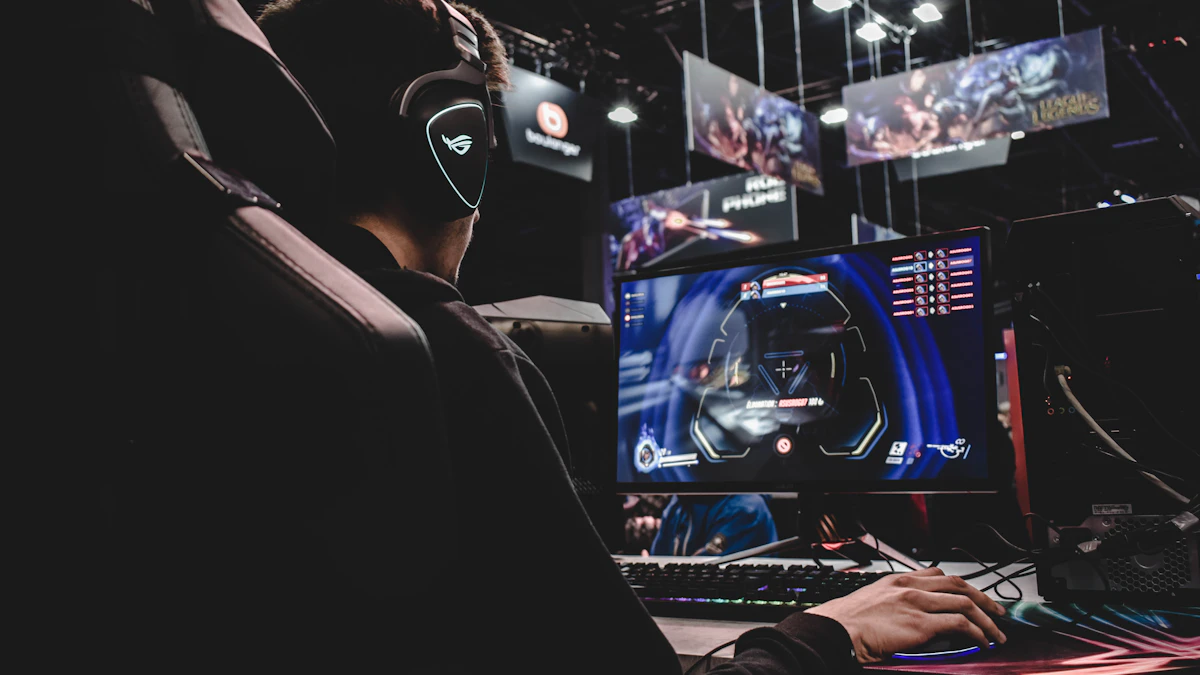
*Console hardware optimization dictates whether Grand Theft Auto VI targets cinematic fidelity or responsive high-refresh gameplay.*
## Deconstructing the RAGE 9 Engine: Why Frame Rate Caps Matter
The hardware limitations of current-generation consoles present massive optimization hurdles for Rockstar Games. Building an open world as dense as Leonida requires immense streaming bandwidth, CPU instruction parsing, and real-time asset streaming. When analyzing whether a GTA 6 30 fps cap will dictate baseline console experiences, industry analysts look closely at the architectural demands of the RAGE 9 engine.
Unlike Grand Theft Auto V, which launched on seventh-generation hardware with modest CPU speeds, Grand Theft Auto VI pushes modern Zen 2 architecture to its absolute limits. Every pedestrian in Vice City operates on an independent behavioral routine, complete with distinct pathfinding algorithms, dynamic clothing simulations, and reactive audio states. Managing thousands of simultaneous entities while maintaining a stable frame pacing creates a massive bottleneck for console processing units.
Players purchasing physical or digital copies from retailers like GameStop, Best Buy, or Amazon US/UK should prepare for a massive install footprint, likely exceeding 200GB. Downloading this volume of data over standard 1Gbps fiber connections requires stable broadband speeds, ensuring assets stream seamlessly from NVMe solid-state drives without stuttering or geometry pop-in.
For a deeper look into the financial scale fueling this technical marvel, examine our breakdown of [Did GTA 6 Actually Cost $2 Billion to Make? Budget Rumors, Development Costs & Take-Two's Financials Explained](/news/did-gta-6-cost-2-billion-budget-development-costs). The sheer scale of development directly correlates with the graphical fidelity players expect at launch.
## Console Performance Breakdown: PS5, Xbox Series X, and Series S Realities
The ongoing debate surrounding the GTA 6 30 fps cap stems from hardware discrepancies across current-generation consoles. While the base PlayStation 5 and Xbox Series X offer formidable graphical processing power, rendering Vice Beach at native 4K with ray-traced global illumination running at 60 frames per second is mathematically improbable without severe graphical downgrades.
```
[Base PS5 / XSX] ---> RAGE 9 Physics Engine ---> [BVH Ray Tracing Calculation]
|
+--------------------------------------------+
|
v
[Fidelity Mode: 30 FPS Locked] OR [Performance Mode: 60 FPS with Dynamic DRS Scaling]
```
Rockstar Games historically prioritizes cinematic visual presentation over pure frame rate counts. On launch day, players firing up their consoles—whether purchasing through PlayStation Direct US or UK GAME outlets—will likely be greeted by a graphical preset menu featuring two distinct modes:
1. **Fidelity Mode:** Locks the game at a rigid GTA 6 30 fps cap, enabling maximum ray-traced reflections, heightened NPC density, maximum draw distances, and native resolution rendering upscaled via temporal reconstruction.
2. **Performance Mode:** Targets 60 FPS by lowering shadow quality, reducing volumetric fog resolution, and engaging aggressive dynamic resolution scaling (DRS) that can drop pixel counts down to 1080p during heavy combat or high-speed vehicular chases across the Leonida highway network.
Players comparing maps across generations will notice a staggering leap in density. To understand how the new region compares to past titles, review [How Big Is the GTA 6 Map Compared to GTA 5? Leonida Scale, RDR2 Comparison & Map Leak Breakdown Explained](/news/gta-6-map-size-compared-to-gta-5-leonida-scale).
> **[PRO-GAMER TACTICAL HACK]:** If you play on a base PS5 or Xbox Series X monitor that supports Variable Refresh Rate (VRR) and Low Framerate Compensation (LFC), select the Fidelity Mode. VRR smooths out frame pacing anomalies, allowing you to enjoy the maximum ray tracing fidelity without suffering from jarring stutter during camera pans.
## Ray Tracing Nuances and Environmental Fidelity in Vice City
Ray tracing in Grand Theft Auto VI is not merely a toggle for shiny puddles; it is a fundamental architectural pillar of the RAGE 9 rendering pipeline. Global illumination calculations track how sunlight filters through palm fronds in the Everglades, how neon signs cast colored light onto wet asphalt in Vice Dale, and how interiors react to shifting outdoor weather systems.
These advanced lighting passes require massive BVH (Bounding Volume Hierarchy) trace operations per frame. When running at 60 FPS, the GPU has roughly 16.6 milliseconds to render an entire frame. Allocating 8 to 10 milliseconds of that frame time purely to ray-traced reflections and ambient occlusion leaves virtually no compute budget for physics calculations, AI pathfinding, or vehicle handling models.
*Precision inputs and high-refresh displays highlight micro-stutters when hardware struggles to maintain frame rate targets.*
Consequently, any enforcement of a GTA 6 30 fps cap in fidelity presets is a deliberate engineering choice designed to prevent thermal throttling and severe frame drops during intense firefights or police chases. The visual payoff is undeniable: interiors of enterable buildings, reflections on luxury sports cars, and dynamic shadows look astonishingly lifelike.
Speaking of interiors, players eager to explore every nook and cranny should consult our detailed guide on [GTA 6 Enterable Buildings Leaks: Every Confirmed Store, Mall & Interior Location in Leonida](/news/gta-6-enterable-buildings-stores-interiors-leonida). Knowing which storefronts lack loading screens changes how you approach gunfights and tactical retreats.
## PC Release Windows and Hardware Repercussions
While console players debate resolution presets and frame rate caps, PC enthusiasts face an entirely different waiting game. Rockstar Games has historically prioritized console optimization before bringing their flagship titles to personal computers. This release strategy ensures maximum stability but leaves PC gamers wondering about hardware requirements.
> **[ROOKIE MISTAKE TO AVOID]:** Do not purchase budget hardware assuming you can brute-force Grand Theft Auto VI at 4K/60fps on PC at launch. Because the title is optimized around console unified memory architectures, PC ports historically demand high amounts of VRAM and raw CPU single-core performance to bypass optimization bottlenecks.
PC players planning their rig upgrades should monitor hardware pricing across Western distributors for high-end components. Reviewing technical expectations can help avoid bottlenecking issues; for architectural forecasts, reference our analysis on [GTA 6 PC Specs & 32GB RAM Breakdown](/news/gta-6-pc-release-date-delayed-timeline-explained) to understand why console optimization takes precedence.
Furthermore, players investigating how the narrative and setting connect to past eras should read [Will Tommy Vercetti Return in GTA 6? Voice Actor Rumors, Easter Eggs & Leonida Timeline Explained](/news/will-tommy-vercetti-return-gta-6-rumors-leonida-timeline) for deep lore context regarding Vice City's timeline evolution.
*High-end hardware components face rigorous demands when processing complex open-world physics and real-time ray tracing.*
## Economic Pressures and Retail Ecosystems in the US and UK
Beyond technical specifications, pricing models across Western retail channels remain a hot topic. With standard AAA game pricing shifting to $69.99 / £69.99, consumer expectations for technical performance are higher than ever. Players investing hard-earned cash at retailers like Walmart, Target, Amazon, or UK GAME expect polished optimization, minimizing the bitterness of any enforced performance compromises.
Rumors regarding inflated pricing tiers have also circulated widely. To separate fact from fiction regarding development budgets, read [Will GTA 6 Cost More Than the Burj Khalifa? Breaking Down the $2 Billion Development Budget Rumors](/news/will-gta-6-cost-more-than-burj-khalifa-budget-rumors). Understanding the financial scale of Take-Two Interactive's investment sheds light on why optimization engineering requires years of meticulous refinement.
Additionally, players tracking regional law enforcement mechanics and how evasion systems tie into the open world should bookmark [GTA 6 Vice City Police Station Evidence Locker Raid Coordinates](/news/gta-6-police-station-evidence-locker-raid-coordinates). Navigating high-security zones efficiently requires precise map knowledge, especially when fleeing high-tier police responses.
## Frequently Asked Questions
### Will the PS5 Pro eliminate the need for a GTA 6 30 fps cap?
The PlayStation 5 Pro utilizes advanced machine learning upscaling (PSSR) and a substantially more powerful GPU, enabling it to hit a stable 60 FPS in Performance mode while retaining high-fidelity ray tracing settings that would otherwise bog down base console hardware.
### Can Xbox Series S players expect a 60 FPS mode?
Due to hardware constraints—specifically 10GB of shared memory and a less powerful GPU—the Xbox Series S will likely be locked to a strict 30 FPS mode to ensure consistent performance during complex physics and crowd simulation scenarios.
### Does a 30 FPS cap ruin the gameplay experience?
Not necessarily. When paired with stable frame pacing, motion blur, and a high-end television supporting VRR, a locked 30 FPS cinematic mode delivers a consistent visual presentation without the jarring resolution drops often seen in rushed 60 FPS performance modes.
### Will ray tracing be forced on or can it be toggled?
Rockstar typically provides granular graphics menus on modern platforms, allowing players to disable specific heavy ray-tracing passes to claw back precious milliseconds of frame rendering time if they prioritize responsiveness over visual reflections.
### How does dynamic resolution scaling affect visual clarity?
Dynamic Resolution Scaling (DRS) automatically lowers the internal pixel rendering count during heavy action sequences to maintain target frame rates, which can occasionally introduce minor soft-focus artifacts on lower-end displays before upscaling kicks in.
***